
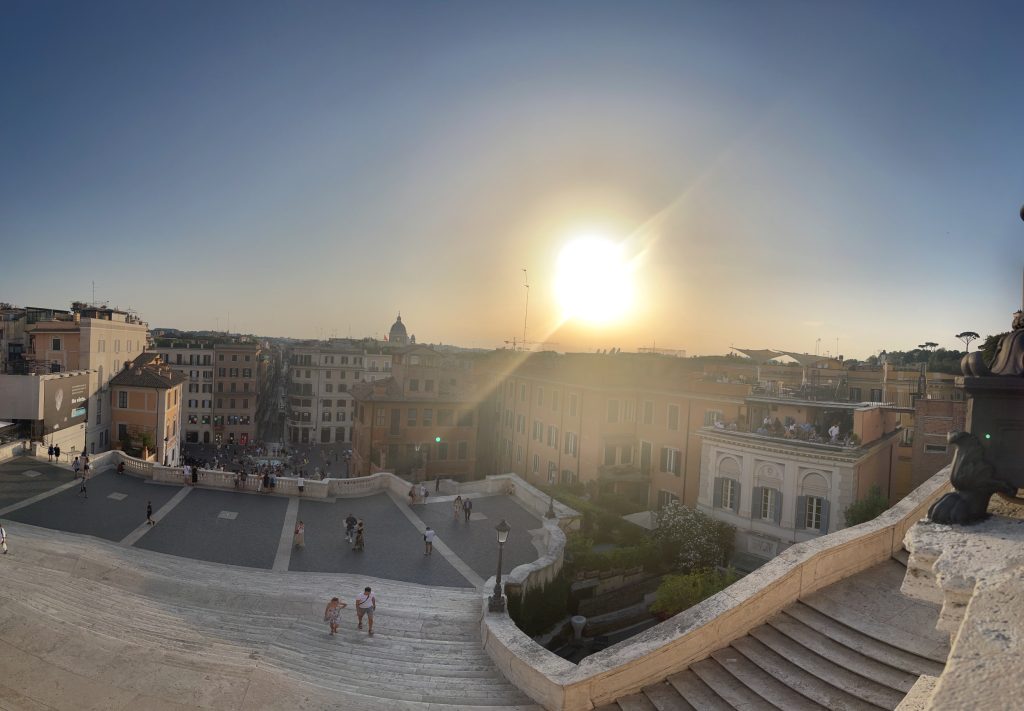
How to Survive an Italian Summer
An Italian summer can be unforgettable — long evenings, warm light on ancient stone, and a rhythm of life that slows down just enough to feel indulgent.
It can also be physically demanding. Heat, crowds, and timing all matter more than most visitors expect. The difference between a magical experience and an exhausting one often comes down to how well you adapt to local conditions.
Here are a few practical realities — and how to work with them rather than against them.
Dress for Heat, Not for the Photo
Italian summers are hot, and cities like Rome retain heat well into the evening. Lightweight, breathable clothing makes a noticeable difference over a long day on foot.
That said, many historic sites and churches still require shoulders and knees to be covered. A light scarf or overshirt can save time and frustration when entering religious buildings, especially during peak hours.
Footwear matters more than most people realise. Cobblestones, heat, and long walking days are an unforgiving combination.
Pace Yourself — Locals Do
The hottest hours of the day are usually between late morning and mid-afternoon. Locals instinctively adjust their schedules around this, saving longer walks and outdoor activities for early morning or later in the evening.
Trying to “push through” the heat often leads to fatigue that affects the rest of the trip. Building natural pauses into the day — shade, cafés, indoor sites — is not wasted time. It’s how you last the week.
Use Water the Italian Way
Public drinking fountains are one of Italy’s most underrated summer assets. In Rome, the small cast-iron nasoni provide fresh, cold drinking water throughout the city.
Refilling a bottle regularly helps more than you might expect, especially when combined with short cooling breaks. Many visitors underestimate how quickly dehydration creeps up in urban heat.
Go Underground — or Go Higher
During the hottest part of the day, being below ground can be surprisingly comfortable. Archaeological sites, crypts, and underground spaces tend to stay cooler than street level.
Alternatively, elevation helps. Rooftop terraces, hills, and open viewpoints often catch more breeze than narrow streets below.
The key is contrast — alternating outdoor exposure with cooler environments rather than stacking everything back-to-back.
Eat With the Season
Italian summer food is designed for heat: lighter meals, fresh ingredients, and cold options like granita, gelato, and iced espresso drinks.
Heavy lunches in full sun tend to slow the rest of the day. Smaller, well-timed meals work better, especially if walking or visiting sites afterward.
Why Planning Matters More in Summer
In peak season, timing is everything. Entry slots, transport, walking distances, and heat exposure all compound quickly if not thought through.
This is where a well-paced itinerary — especially one adapted day-by-day — makes a measurable difference. Summer rewards flexibility, local knowledge, and realistic expectations far more than packed schedules.
Handled well, the season is intense but rewarding. Handled poorly, it’s exhausting.
If you’d like to explore Rome in summer without fighting the conditions — focusing on timing, comfort, and flow rather than ticking boxes — this is exactly the kind of planning we specialise in.